
Healthy Coping Skills for Stress and Overwhelm
7/12/20265 min read
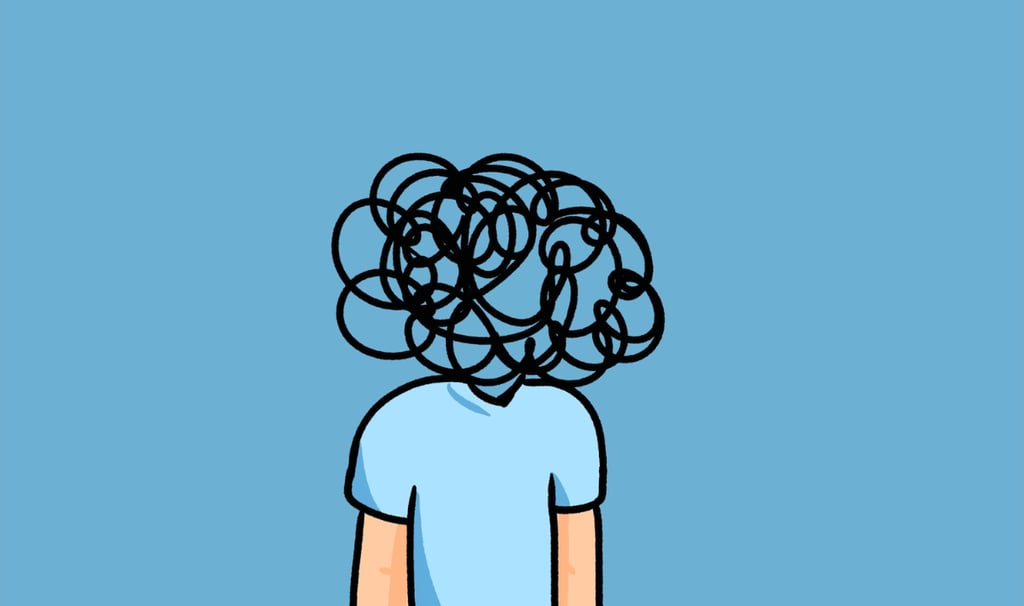
Stress is a natural part of life. Whether it's balancing work and family responsibilities, navigating relationship challenges, coping with unexpected life changes, or managing ongoing mental health concerns, everyone experiences stress from time to time. While some stress can motivate us to take action, chronic or overwhelming stress can have a significant impact on both our mental and physical well-being.
When stress begins to feel unmanageable, it's easy to fall into habits that provide temporary relief but don't address the underlying problem. Over time, these unhealthy coping strategies can make stress even more difficult to manage. Learning healthy coping skills can help individuals navigate life's challenges more effectively while supporting long-term emotional wellness.
The good news is that coping skills are just that—skills. They can be learned, practiced, and strengthened over time.
What Does It Mean to Cope?
Coping refers to the thoughts and behaviors we use to manage difficult emotions, stressful situations, or challenging life events. Everyone copes differently, and there is no single strategy that works for every person or every situation.
Some coping skills help us calm our nervous system in the moment, while others help us solve problems, process emotions, or build resilience over time. The most effective coping strategies are flexible and allow individuals to respond to stress in healthy, intentional ways rather than reacting automatically.
Developing healthy coping skills doesn't eliminate life's difficulties, but it can make those difficulties feel more manageable.
Recognizing the Signs of Overwhelm
Many people don't realize how overwhelmed they have become until their stress begins affecting multiple areas of their lives. Feeling overwhelmed is more than simply having a busy schedule. It often involves feeling emotionally, mentally, or physically unable to keep up with life's demands.
Common signs of overwhelm include:
Feeling constantly anxious or on edge
Difficulty concentrating or making decisions
Trouble sleeping or sleeping too much
Increased irritability or frustration
Feeling emotionally numb or detached
Frequent headaches, muscle tension, or fatigue
Avoiding responsibilities
Feeling like everything is "too much"
Recognizing these signs early can help individuals take proactive steps before stress becomes more severe or begins affecting their overall mental health.
Healthy Coping Starts With Awareness
One of the most important coping skills is simply noticing what you're experiencing without immediately trying to push it away. Many people become so accustomed to operating under constant stress that they stop recognizing when their emotional reserves are running low.
Taking a moment to check in with yourself can provide valuable insight. Ask yourself questions such as: What am I feeling right now? What might be contributing to this stress? What do I need in this moment?
Developing emotional awareness allows individuals to respond thoughtfully instead of reacting impulsively. It also creates opportunities to choose coping strategies that address the actual source of distress rather than temporarily distracting from it.
Give Your Nervous System a Chance to Reset
When we're overwhelmed, our bodies often remain in a heightened state of alertness. The heart beats faster, muscles tense, breathing becomes shallow, and the mind races from one worry to the next. Before trying to solve every problem, it can be helpful to first calm the nervous system.
Simple practices such as slow, intentional breathing, mindfulness, progressive muscle relaxation, gentle stretching, or spending a few quiet moments outdoors can help signal to the body that it is safe to relax. Even a brief pause can reduce emotional intensity and make it easier to think clearly.
These techniques are not about avoiding problems—they are about creating enough emotional space to respond more effectively.
Move Your Body
Physical activity is one of the most effective ways to reduce stress and improve mood. Exercise encourages the release of endorphins, supports better sleep, and helps regulate the body's stress response.
Movement doesn't have to involve intense workouts or hours at the gym. A short walk, gentle yoga, stretching, dancing, swimming, or gardening can all provide meaningful mental health benefits.
Choosing activities that feel enjoyable rather than obligatory increases the likelihood that healthy movement becomes a sustainable part of daily life.
Stay Connected
Stress often causes people to withdraw from others, yet connection is one of the strongest protective factors for mental health. Spending time with supportive friends, family members, or trusted professionals can provide comfort, perspective, and encouragement during difficult times.
Healthy connection doesn't always require discussing every problem in detail. Sometimes simply sharing a meal, taking a walk together, or having a meaningful conversation can reduce feelings of isolation and remind us that we don't have to navigate life's challenges alone.
Building a strong support network is an important part of long-term emotional wellness.
Create Small Moments of Calm
When life feels overwhelming, it's easy to believe that stress relief requires long vacations or major lifestyle changes. While those things can certainly help, healing often happens through small moments repeated consistently.
Listening to calming music, reading a book, journaling, practicing gratitude, spending time in nature, enjoying a warm cup of tea, engaging in creative hobbies, or simply stepping away from screens for a few minutes can all provide opportunities to recharge.
These moments may seem small individually, but together they help create a more balanced and resilient daily routine.
Know the Difference Between Avoidance and Healthy Rest
Taking a break is healthy. Avoiding problems indefinitely is not.
Healthy coping involves giving yourself permission to rest while also returning to responsibilities when you're able. Rest allows the mind and body to recover. Avoidance, on the other hand, often increases anxiety because unresolved problems continue to accumulate over time.
Learning to recognize the difference can help individuals find a healthier balance between self-care and personal responsibility.
When Coping Skills Aren't Enough
Healthy coping strategies are valuable tools, but there are times when additional support is needed. If stress begins interfering with your work, relationships, physical health, or ability to function, it may be time to speak with a mental health professional.
Similarly, if feelings of anxiety, depression, trauma, or emotional overwhelm persist despite your best efforts, professional treatment can provide additional guidance and support. Therapy can help individuals understand the underlying causes of their distress, develop personalized coping strategies, and build greater resilience over time.
Seeking help is not a sign that you've failed to cope. Rather, it is an important form of healthy coping itself.
Building Resilience One Day at a Time
Resilience is not about avoiding stress or pretending everything is fine. It is about developing the ability to adapt, recover, and continue moving forward despite life's challenges. Healthy coping skills are one of the foundations of resilience because they help individuals respond to difficult situations with greater flexibility, self-awareness, and confidence.
Like any skill, healthy coping becomes stronger with practice. Some strategies may work well in one situation and less effectively in another. The goal is not perfection but progress—a growing collection of tools that support emotional well-being throughout life's ups and downs.
Finding Support When You Need It
Everyone experiences stress, but no one is meant to carry overwhelming emotional burdens alone. Whether you're feeling chronically stressed, struggling with anxiety or depression, or finding it difficult to cope with everyday life, support is available.
At Arise Hillside Treatment Center, we provide compassionate, individualized mental health care designed to help individuals build healthier coping skills, strengthen emotional resilience, and create lasting change. Through evidence-based therapies, group support, wellness practices, and personalized treatment planning, we help our clients develop practical tools for managing stress and improving overall well-being.
If you or someone you love is struggling with stress, overwhelm, or another mental health concern, contact Arise Hillside Treatment Center at (818) 456-4185 to learn more about our mental health treatment programs and how we can support your journey toward healing.

Location
4800 Almidor Ave. Woodland Hills, CA 91364
Get Help 24/7





Social Rehabilitation License # 195850422
DHCS SRF MHBS24048
© 2026. Arise Hillside Treatment Center. All rights reserved.