

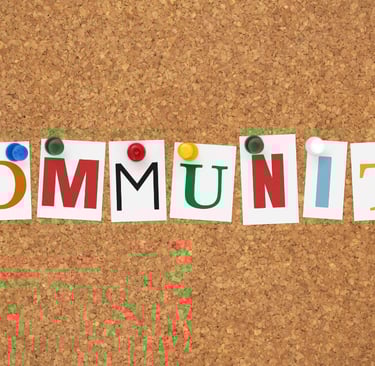
Why Being in Treatment With Others Is So Helpful
When people think about healing, they often imagine a private process — one person, one therapist, one story unfolding behind closed doors. Individual therapy is an essential and deeply valuable part of treatment, but it is not the whole picture. Human beings are shaped by relationships, environments, and social context. Because of that, healing rarely happens in isolation.
This is why treatment that includes community — whether through group therapy, residential programs, or structured peer support — can be so powerful. Being in treatment with others offers experiences that simply cannot be replicated alone, and for many people, these experiences become the turning points in their recovery.
You Begin to Understand That You’re Not Alone
Many people enter treatment believing their struggles are uniquely theirs. They may feel ashamed of their thoughts, embarrassed by their behaviors, or convinced that everyone else is coping better than they are. Sitting in a room with others and hearing familiar feelings spoken out loud can be unexpectedly grounding.
Someone who has spent years hiding panic symptoms hears another person describe the same racing thoughts and physical fear. Someone who has long believed their depression makes them “lazy” recognizes their own inner dialogue in someone else’s words. Often, there’s a realization that what felt isolating and personal is actually shared and human.
In clinical terms, this experience is called universality, and it’s one of the most important therapeutic factors in group treatment. When people realize they are not alone, shame begins to soften. Pain that once felt unbearable because it was carried in silence becomes something that can be understood and held in community.
You Are Seen More Fully — and More Accurately
In individual therapy, people receive thoughtful reflection from a trained clinician. In community-based treatment, they also receive feedback from peers who are noticing patterns as they happen in real time.
Someone who has always assumed they come across as “too much” may be surprised to hear others describe them as engaged, thoughtful, or deeply empathetic. Another person who prides themselves on being easygoing may begin to recognize how often they avoid expressing needs after hearing how their silence affects the group. These reflections are rarely about judgment. Instead, they can help people understand how they show up in relationships.
This matters because identity does not develop in isolation. Learning how one is experienced by others, in a safe and supportive setting, allows for insight and growth that can translate into healthier relationships outside of treatment.
Empathy Becomes Something You Feel, Not Just Talk About
Empathy is often discussed in therapy, but in community settings, it becomes something people experience directly. Sitting with others as they share stories of loss, trauma, addiction, or emotional pain creates a shared emotional field — one where compassion is not theoretical.
When someone takes the risk to speak vulnerably and is met with quiet attention, warmth, and care, it can be deeply healing. Many people who struggle with self-compassion find it easier to feel empathy for others first. Over time, witnessing how others are met with understanding helps people internalize the belief that they, too, deserve kindness rather than judgment.
These moments often stay with people long after treatment ends, becoming emotional reference points for safety and connection.
Skills Are Learned in Relationship, Not Just in Theory
Treatment is not only about insight; it is also about learning how to cope differently. Group settings offer a unique opportunity to see skills modeled and practiced in real time.
Someone struggling to regulate intense emotions might observe another person using a grounding exercise successfully. Another might practice naming a feeling out loud for the first time, supported by peers who understand how vulnerable that moment feels. Communication skills, boundary-setting, and emotional regulation are not just discussed — they are lived.
Learning alongside others also normalizes how uncomfortable change can be. People see that growth involves trial and error, setbacks, and courage. Watching others struggle and persist makes it easier to stay engaged when things feel difficult.
Shame Has Fewer Places to Hide
Shame thrives in isolation. Many people enter treatment carrying deep shame about their symptoms, their past decisions, or the ways they have coped. Community treatment interrupts that cycle.
When someone speaks openly about relapse, intrusive thoughts, self-doubt, or relationship patterns they regret — and is met with compassion — something shifts. The story changes from “there is something wrong with me” to “this is something I am working through.” This strengths-based reframing, recognizing that people are more than their hardest moments.
Over time, repeated experiences of being accepted reduce the fear of being seen. What once felt unspeakable becomes survivable — and eventually, manageable.
Relationships Become a Central Part of the Healing
Many of the wounds people bring into treatment are relational: attachment injuries, difficulty trusting others, fear of abandonment, or trouble expressing needs. Group treatment offers a space where these patterns can emerge gently and be worked with safely.
Someone who typically withdraws when they feel misunderstood may practice staying present. Someone who expects rejection may experience consistency and reliability instead. Others may notice patterns of caretaking, people-pleasing, or emotional distancing — and begin experimenting with new ways of relating.
This is essential. Healing is not just about symptom reduction; it’s about helping people build healthier, more satisfying relationships in their lives beyond treatment.
The Group Holds Hope When Someone Can’t
There are moments in recovery when hope feels out of reach. In community treatment, people are rarely responsible for holding hope alone.
Watching peers take small but meaningful steps — setting boundaries, managing symptoms, repairing relationships, or tolerating discomfort — reinforces the belief that change is possible. Even setbacks are reframed as part of the process rather than signs of failure.
When someone feels discouraged, the group often holds perspective for them. Progress becomes visible, shared, and normalized, creating momentum that can carry people through difficult periods.
Healing Is Reinforced by Belonging
At its core, community-based treatment meets a fundamental human need: belonging. Many people entering treatment feel disconnected — from others, from themselves, or from a sense of purpose. Being part of a therapeutic community restores a feeling of being seen and valued.
This sense of belonging supports regulation, resilience, and emotional safety. It reminds people that they matter — not because they are “fixed,” but because they are human.
Final Thoughts
Healing does not happen in a vacuum. While individual therapy offers depth and focus, treatment that includes community provides connection, perspective, and lived evidence that recovery is possible. People are deeply influenced by their environments — and that supportive, attuned communities can be one of the most powerful environments for healing.
Being in treatment with others isn’t about comparison or exposure. It’s about remembering something deeply human: we heal best when we are seen, supported, and not alone.
Considering Community-Based Treatment?
Healing does not happen in a vacuum. While individual therapy offers depth and focus, treatment that includes community provides connection, perspective, and lived evidence that recovery is possible. People are deeply influenced by their environments — and supportive, attuned communities can be one of the most powerful environments for change.
Being in treatment with others isn’t about comparison or exposure. It’s about remembering something deeply human: we heal best when we are seen, supported, and not alone.
For individuals who feel they may benefit from this kind of relational, community-centered approach, exploring a program designed around these principles can be a meaningful next step.
At Arise Hillside, treatment thoughtfully integrates individual therapy with structured group work in a setting intentionally designed to foster safety, accountability, and genuine connection. The focus is not on intensity for its own sake, but on clinically grounded, trauma-informed care that allows healing to unfold in relationship.
If you’re curious whether this model of care might be a fit, you can learn more about Arise Hillside Treatment Center and its approach at https://www.arisehillsidela.com/.
Location
4800 Almidor Ave. Woodland Hills, CA 91364
Get Help 24/7







Social Rehabilitation License # 195850422
DHCS SRF MHBS24048
© 2026. Arise Hillside Treatment Center. All rights reserved.